SeedPact: Advancing Agriculture
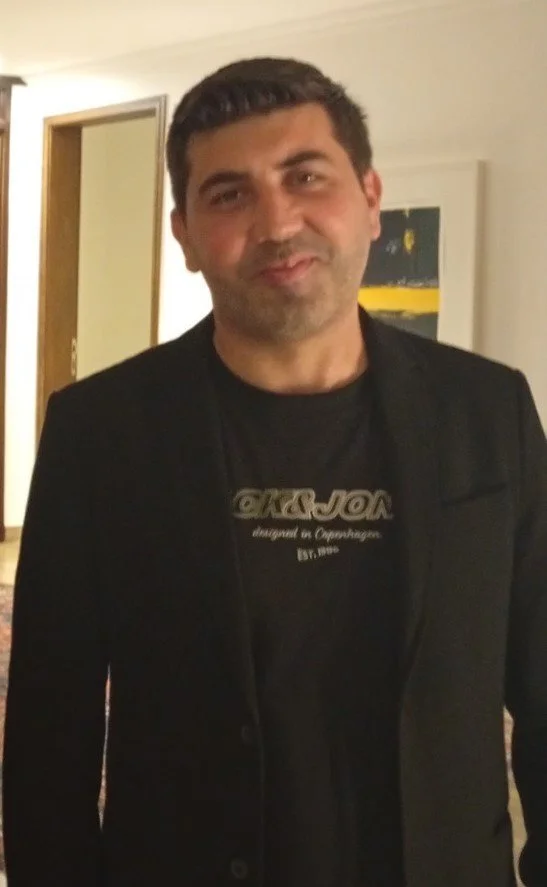
Mohamad Asaad El Assaad
وعلى طاولة واحدة نلتقي، — »من األرض نبدأ
From the land we begin; at one table we meet.
I am a farmer in Akkar, Lebanon, where production often falls short because expertise is scarce, fertilizer is adulterated, and wholesale traders and taxation skew the market, reducing effectiveness and efficiency. Like many of the area’s hardworking farmers, my crops have suffered when suppliers sell me the wrong solar panels or irrigation equipment, drip lines are installed badly, or the expertise isn’t available to install a WiFi switch to run a pump.
In local coffee shops, I’ve heard stories of young men numb from failure and poverty who turn to pills, smuggling, gambling, and other destructive escapes. So, I developed SeedPact as my positive peace response. My project began with a commitment to restore a heritage building as the Manzoul — a shared hub where 60 farmers from four villages train, share one tractor, receive grants, and order quality fertilizer, drip lines, and equipment through a transparent pricing structure. Every month, we meet together at one Coffee Hub table. The team includes a coordinator, finance officer, contracted agronomist, and a committee of four mukhtars with women, youth, and disability representatives. It’s part of our discipline of relationship building - the addition of new farming technology only goes so far without a shared bond and information transfer that keeps us stable and resilient, first.
I often say that I’ve learned at the school of hard knocks and DIY - Do It Yourself. But I’ve also visited three Solawi farms in Germany to study solidarity agriculture, a system of community-supported farming. Each member pays a monthly fee, and the association rents the land, plants different crops, and recruits workers. Once a week, the harvest is distributed — fair, equal quantities for every member. Compost workshops turn waste into soil, and joyful gatherings and beer festivals follow.
Participation in the Bridges to New Horizons program has clarified my thinking and many of my approaches. When there is so much to be done, it’s easy to get lost in a forest of ideas. The program structure helped me focus my planning and connect tangible actions to financial sustainability and community peace.
My vision is a future where Lebanese families subscribe to weekly harvests directly from our farmers, paired with farm visits and free overnight stays at the restored Manzoul building. How will this occur in practical terms? Answer: Over 12 months, with 60+ pledges for $70,000 USD to support three training cohorts, demonstration plots, 12 follow-up visits, a shared tractor, and 12 Coffee Hub sessions. What will be key measures? The goal is 70+ percent of area farmers adopting two improved techniques, input costs decreasing 20–30 percent, 30 farmers raising net income by 25 percent, community conflicts down due to more collaboration, and general signs of well-being on the upswing. These will indicate unity and social cohesion stemming from an agricultural project that started, first, to address financial instability and poverty.
What is the governance and partner structure? Answer: the mukhtars, cooperation with our municipalities, a multi-year community-use agreement for the Manzoul, and legal registration to build confidence among those who engage in the project. We've identified technical and custodial partners, suppliers, and provider referrals, and established agreements. We’re also embracing promotion through a donor pitch deck, a website with a QR code, a 90-second film, and enthusiastic word-of-mouth in coffee shops where I first learned about the problem I’m trying to address.