Positive Peace as an Impact Strategy
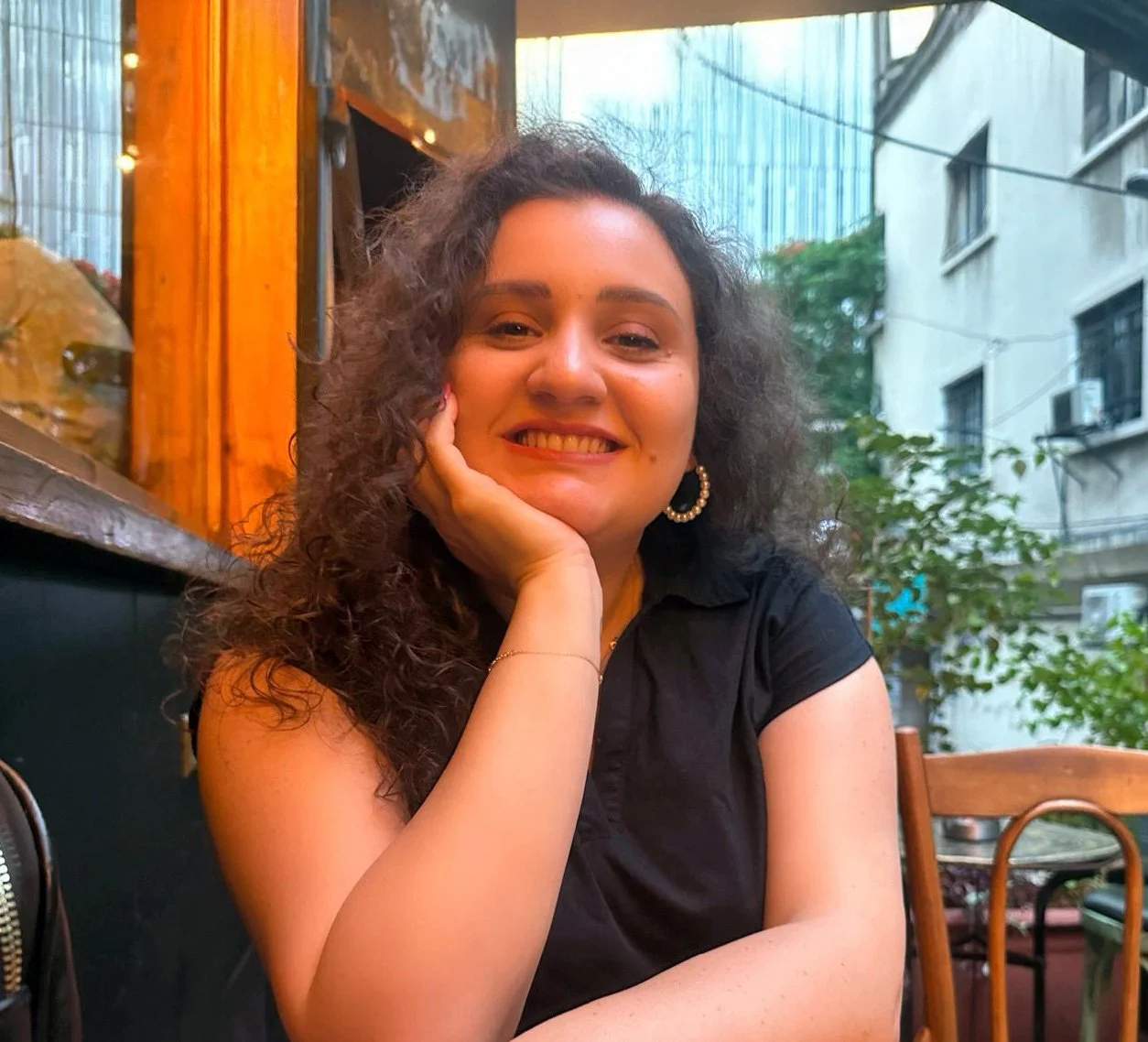
Hanane Farhat
In Saida, displacement and growing pressure on limited services are increasing unmet needs and creating perceptions of unfairness, exclusion, and favoritism. Although organizations regularly collect community data and feedback, this evidence does not always influence programme design, resource allocation, or public decisions. The project proposes a community-led model that transforms people’s voices into credible evidence and practical action. Working with local committees and diverse community members, Mouvement Social will identify priority needs, service gaps, barriers to access, and sources of tension. The evidence will then be used to improve programmes and advocate for more transparent, equitable, and responsive decisions.
As a MEAL Manager, I believe evidence has value only when it leads to action. I am developing this initiative with Mouvement Social colleagues, drawing on the knowledge of programme, field, technical, and MEAL teams. Local committees and community members are not simply participants; they are central partners in identifying problems and proposing solutions. This experience taught me that leadership is not about having all the answers. It is about listening, creating space for different voices, connecting people, and turning collective knowledge into a shared direction.
We began by examining the context, existing evidence, community feedback, and Mouvement Social’s experience in Saida. We identified a gap between collecting information and using it systematically. Our process combines participatory assessments, consultations, focus group discussions, dialogue sessions, and accessible feedback mechanisms. We will triangulate information from local committees, community members, municipalities, and service providers to avoid relying on a single voice or local power structure. I learned that peacebuilding is not limited to dialogue between groups. It also requires addressing the unfair systems, service gaps, and resource-allocation practices that create mistrust and tension. I also learned that trauma-sensitive engagement requires safe spaces, respectful listening, informed consent, confidentiality, and avoiding repeated or extractive questioning.
Saida will serve as the pilot area. Evidence generated will follow two pathways. First, it will inform Mouvement Social’s programmes, proposals, targeting, and service adaptations. Second, it will be transformed into area-based evidence papers, recommendations, and advocacy messages for decision-makers. Lessons from the pilot will be documented and used to adapt and replicate the model in other areas of Lebanon. From a project-management perspective, I learned to move from a broad idea to defined results, activities, responsibilities, indicators, risks, and realistic phases while remaining flexible as the context changes.
The project builds on Mouvement Social’s presence and relationships in Saida. Internal endorsement, community consent, and responsible data-protection procedures will guide implementation. We will also seek cooperation from municipalities, relevant public institutions, donors, and other decision-makers to access information, validate findings, and act on recommendations.
Our existing partners include Mouvement Social teams and the local committees with which we already collaborate in Saida. Engagement with municipalities, service providers, civil society organizations, public institutions, donors, and humanitarian and development actors will be further developed during the pilot.
The project will be presented through public forums, programme guides, community meetings, digital storytelling, evidence briefs, and advocacy meetings. Communication will highlight community priorities, emerging solutions, and evidence of change while protecting people’s identities and dignity.
We will measure participation across different community groups, the number of needs and service gaps documented and validated, programme decisions influenced by evidence, proposals strengthened, advocacy papers produced, and meetings held with decision-makers. We will also track recommendations adopted, changes in access to services, perceptions of fairness and trust, and community feedback on whether people feel heard. Quantitative indicators will be complemented by stories of change to show not only what was delivered, but whether community voices genuinely influenced decisions.