AIJUR: Expanding Legal Access
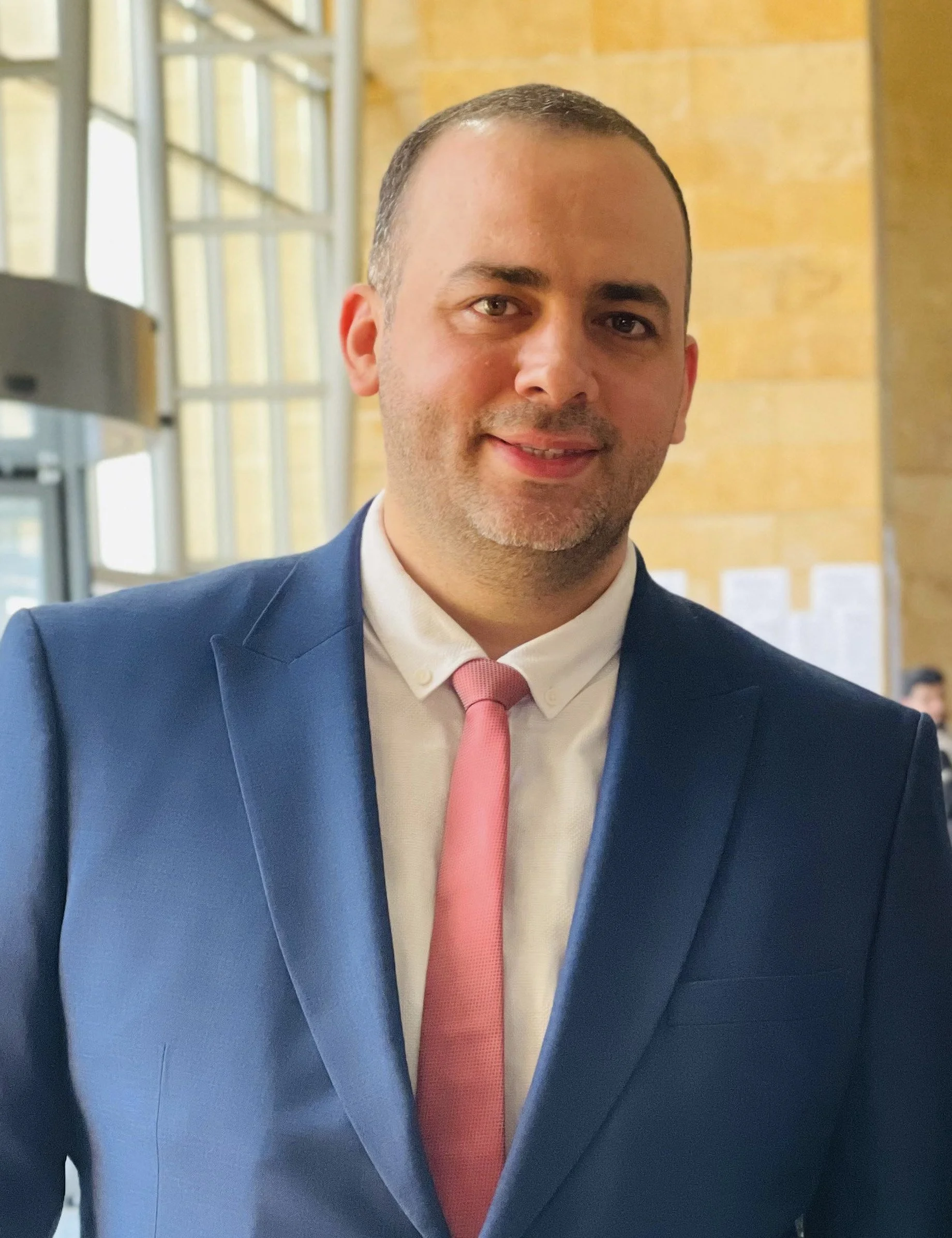
Wissam Khaled
AIJUR began with a clear observation: while digital transformation and artificial intelligence are rapidly reshaping the legal profession worldwide, many law firms in Lebanon—particularly in North Lebanon—still operate through traditional, paper-based, and highly manual processes. Many have limited access to modern case management systems, structured workflows, performance indicators, digital knowledge management, and AI-enabled tools.
We see this as more than a technology gap. A law firm that is better organized, efficient, and transparent is better equipped to protect deadlines and rights, manage more cases, serve more clients, and provide more reliable legal services. AIJUR therefore aims to help law firms become stronger and more sustainable legal institutions by combining legal operations, governance, digital transformation, artificial intelligence, and capacity building.
AIJUR is led by a multidisciplinary team combining legal expertise with practical knowledge of law firm operations, digital transformation, Legal Operations, and artificial intelligence. Our approach is not to impose technology on law firms, but to understand how lawyers actually work and build solutions around their operational realities and needs.
The transformation begins with diagnosis—not technology. We assess each firm's operations, identify gaps, bottlenecks, and risks, and then develop improved workflows, governance structures, roles, Standard Operating Procedures (SOPs), and performance indicators. Once this foundation is established, we introduce appropriate digital solutions, including case management, knowledge management, digital archiving, Microsoft 365, and AI-enabled tools. Training and change-management support are integrated throughout the process to ensure that technology is actually adopted and used effectively.
The project starts with law firms in North Lebanon, where access to modern legal transformation tools and institutional development support remains more limited than in major economic centers. Our objective is not to implement a one-time intervention. We will pilot the model, measure its results, learn from participating firms, improve the methodology, and develop a replicable model that can gradually expand to law firms across Lebanon. In this way, North Lebanon becomes a starting point for innovation rather than remaining at the margins of digital transformation.
The project is built around the participation of law firms themselves, alongside cooperation with professional institutions, academic institutions, and organizations interested in strengthening the legal sector. Long-term sustainability requires these solutions to become part of how legal institutions operate—not temporary external interventions.
The model will be shared through professional legal networks, partnerships, training programs, events, case studies, and measurable results. Successful pilot firms can demonstrate what transformation looks like in practice and support expansion into additional communities.
Success will be measured through clear indicators, including a 25% reduction in average case processing time, a 30% reduction in manual administrative work, a 20% reduction in missed deadlines, a 15% reduction in operational costs, and 80% adoption of new systems. We also aim to improve transparency, reduce office overhead, increase firms' capacity to serve larger client bases, and expand access to modern legal tools in North Lebanon.
One of our most important lessons is that peacebuilding does not begin only when conflict occurs. It can also begin by strengthening the institutions people rely on to protect their rights and resolve disputes. By enabling legal institutions outside traditional economic centers to access modern tools, knowledge, and technology, AIJUR contributes to stronger human capital, greater access to information and resources, improved professional and economic opportunities, and more capable local legal institutions.
AIJUR begins by improving how a law firm works, but its ambition is broader: to reduce the gap between the center and underserved regions, strengthen local legal institutions, and contribute to a more equitable and sustainable environment for accessing effective and transparent legal services—starting in North Lebanon and expanding across Lebanon.